Activism and the criminalisation continuum: from labelling to criminal justice
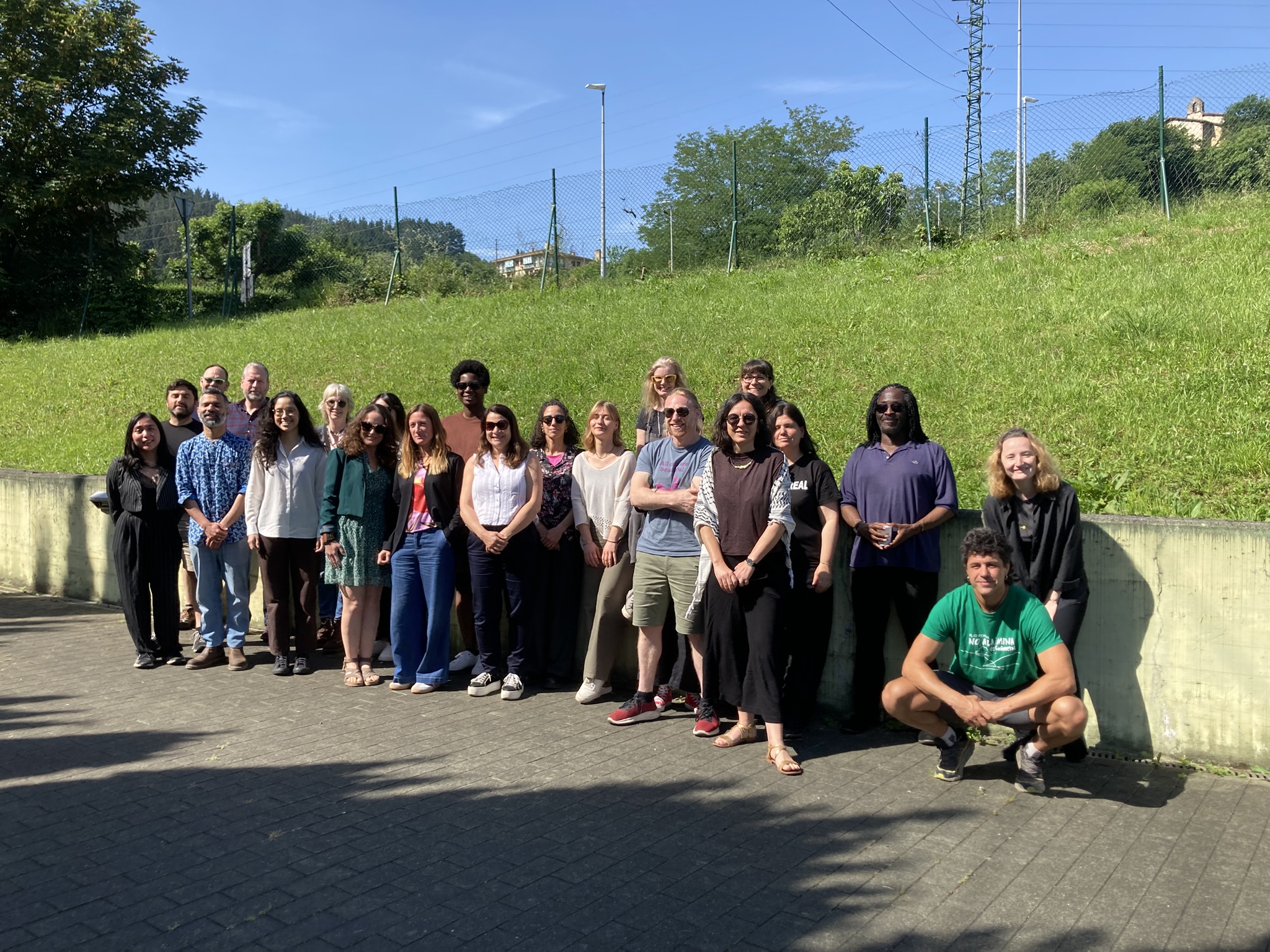
Coordinadores: Anna Di Ronco (University of Bologna, Italy ), Brunilda Pali (University of Amsterdam, The Netherlands), Federica Rossi (London South Bank University, United Kingdom), Elian Weizman (London South Bank University, United Kingdom)
 260512_final_programme_v3.pdf
Descripción del encuentro
The last two decades have been marked by increasing tendencies of liberal democracies to criminalise activism and restrict the right to protest. While socio-legal and multi-disciplinary research on this phenomenon has expanded significantly in recent years, most studies focus on formal aspects such as legislation, policing, and criminal justice, whereas informal mechanisms of repression remain largely overlooked.
This workshop aims to broaden the analysis of the criminalisation of activism by examining both formal and informal mechanisms within a unified framework, exploring how these mechanisms interact and form a continuum of repression. The workshop’s innovative approach encourages participants to consider not only the role of state actors but also of non-state entities, including NGOs, media, educational, cultural and religious organisations, and think tanks. Additionally, we will examine punitive practices beyond criminal law and justice, such as surveillance, intimidation, administrative fines, and other social control tactics.
By addressing this double gap—both in academic literature and broader societal understanding—this workshop will contribute to the growing of socio-legal and interdisciplinary research on the criminalisation of activism.
The workshop will focus on three key themes:
Critical Infrastructure as Sites of Securitisation and Repression
The first theme examines how spaces classified as ‘critical infrastructure’—such as roads, railways, ports, pipelines, tunnels, utilities, and the internet—become securitised zones of struggle and repression. The focus on this spaces will allow us to consider both formal enforcement and informal tactics that inform and shape responses to activism.
Practices of Micro-Repression
The second theme centres on practices of ‘micro-repression' and policing by non-state actors in order to investigate how civil society itself can contribute to censorship and the silencing of activists. By so doing, we can better understand how these dynamics are reproduced in broader social spaces and even internalised by social actors.
Shifts and Thresholds of Criminalisation
The third theme examines shifts and thresholds in patterns and methods of criminalisation across different contexts and time, with the aim of better understanding key moments and practices that contribute to the shifts from informal to formal criminalisation.
The two-day workshop will be structured around five panels (two in day 1 and three in day 2): the first will lay the theoretical groundwork on the criminalisation of dissent, the following three will cover the workshop’s main themes, and a final one will explore publication opportunities and future research collaborations. Each session will feature presentations followed by discussions.
Nuestra experiencia en Oñati
The IISL workshop we coordinated, titled “Activism and the Criminalisation Continuum: From Labelling to Criminal Justice,” took place recently in Oñati, in May 2026. As workshop coordinators, we benefited enormously from the support of the IISL team and its Director, who expertly managed all the logistical and organisational aspects of the event. The residence where we stayed and the facilities were splendid, and the organisers took great care to ensure that all participants, some of whom had travelled from afar, were well looked after. This support and care enabled us to focus fully on the workshop’s content and engage actively with relevant scholarship, emerging ideas, and ongoing debates on the criminalisation of activism. Oñati's beauty and authenticity only enhanced the experience, providing a stunning backdrop for our two-day event — one that some participants were able to enjoy beyond the workshop itself. The city itself is surrounded by breathtaking nature, and its streets are lively with local people of all generations enjoying each other’s company. The Basque people are genuinely welcoming to guests but they don't go out of their way to please tourists, which gives them a strong sense of dignity and helps foster a deeper and more genuine connection to the place. We are already in conversation about how the ideas exchanged during the workshop will lead to new publications, further opportunities for collaboration, and the dissemination of academic research. We also look forward to returning to Oñati in the near future, to continue exploring some of the exciting new ideas that emerged from these discussions. Our sincere thanks once again to the IISL for hosting us! Anna, Brunilda, Elian, and Federica
Workshop Coordination Team
Avenida de la Universidad, 8
Apartado 28
20560 Oñati (Gipuzkoa) - Spain
T: +34 943 78... Ver teléfono
E: workshop@iisj.es